What Are You Looking For?
If your standard off-the-shelf current transformers cannot fit your panel design, metering or protection requirements, custom OEM CTs are often the practical solution.
Complete specs request helps to will saiving time &cost. This article walks through exactly what details your CT supplier needs from you.
1. Electrical Specifications (The Most Critical Part)
This set of parameters defines the core performance of your custom CT. Missing any of these can result in a product that fails your testing.
Tips: Do not only state the primary current. If your output signal goes to a PLC or meter, tell the supplier what device the CT connects to. It helps them recommend the proper secondary output format.
2. Mechanical & Size Requirements
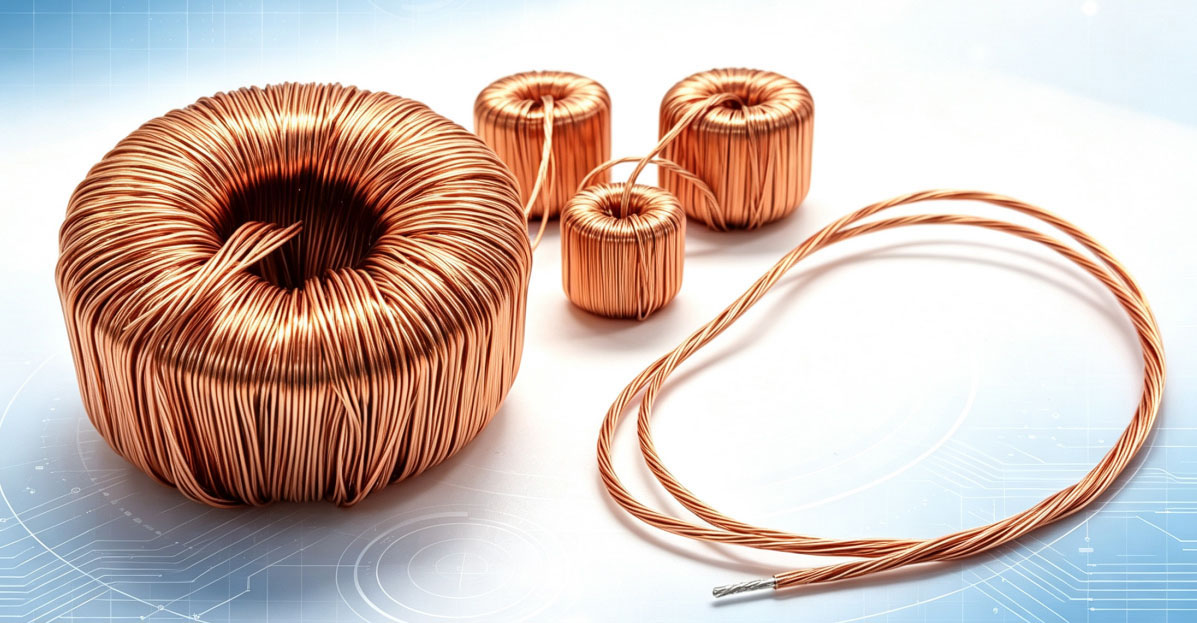
CT dimensions are one of the most common reasons custom samples fail on-site installation.
3. Working Environment Conditions
T application environment decides material selection and long-term stability. Suppliers need to know:
4. Custom Housing & Brand Requirements (OEM Specific)
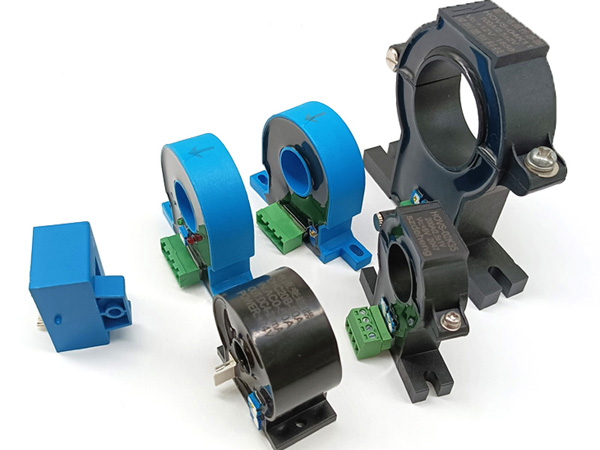
This section covers your branding and custom appearance needs:
5. Order & Certification Information
These details help suppliers quote pricing and lead time accurately:
6. Common Mistakes When Requesting OEM CT
1. Only send current ratio without accuracy and burden requirements → The CT may not meet your measurement precision.
2. Ignore overall dimension, only confirm window size → The finished CT cannot fit inside your cabinet.
3. Fail to mention special environment → The epoxy or plastic shell may degrade quickly in high heat.
4. Unclear secondary wire requirements → Wires too short, wrong connector, reversed wiring.
5. Forget certification requirements → Product cannot pass local inspection for your market.
Conclusion
Custom OEM current transformers require clear communication between buyers and manufacturers. When you provide complete electrical, mechanical, environmental and branding information at the start, your supplier can deliver accurate quotations and correct samples faster. This avoids costly rework and keeps your project schedule on track.
If you have dimension drawings, it is always best to attach them together with your specification list. Drawings eliminate most ambiguous descriptions and reduce misunderstanding between both sides.
Scan To Wechat :

Scan To WhatsApp :

Home
Products
contact